
Baile Charme
Baile charme is one of the most beautiful and impressive things that Rio, with its rich subcultural attractions and inexhaustible creativity, has to offer: a declaration of love

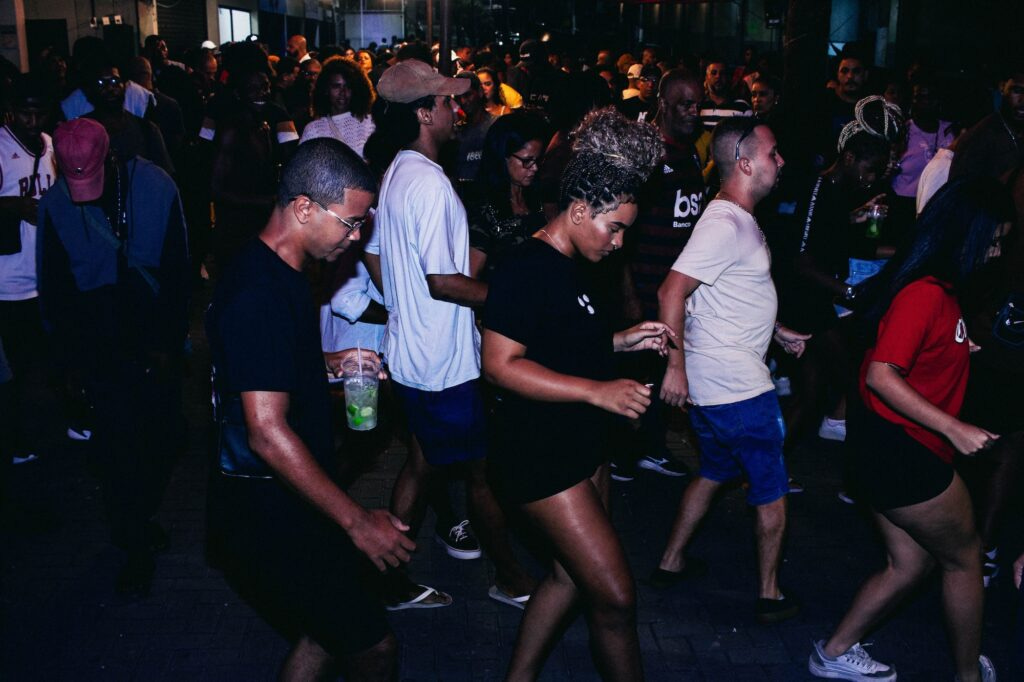
Mirroring steps - it looks so easy and casual, but it's not
Pedro Martins Valle Costa

by Dieter Jaenicke
Dieter Jaenike lived and worked in Brazil for many years, has curated various major dance festivals in Brazil since the 1990s, was director of the Fórum Cultural Mundial – World Culture Forum São Paulo & Rio de Janeiro from 2003 to 2008, artistic director of the European Center for the Arts Hellerau Dresden from 2009 to 2018, artistic director of the International Dance Fair NRW Düsseldorf from 2017 to 2020, and is currently a freelance curator, Guest Professor of Performing Arts at three universities in Nanjing, China, and a member of the editorial board of the Contemporary Dance Research Journal of the Performing Arts Academy Shanghai
Photos: Pedro Martins Valle Costa
The Viaduto Madureira, a self-managed cultural center under a highway on the outskirts of Rio de Janeiro, has been around since the late 1980s. Here, the baile charme has been pulsating beneath concrete stilts every weekend for more than forty years. The dance movement emerged from the anti-racist Black resistance against the military dictatorship in Brazil. Baile charme is carried by global Black music, soul, funk, R&B, Afropop, highlife, rap, and hip hop. It is the place where Rio is at its liveliest and most beautiful. Yet tourists almost never find their way to this dancing community, mainly from the Zona Norte, the outskirts of Rio, the favelas. Here, people of all generations, skin colors—predominantly Black—sexual orientations and social groups come together. You never see couples dancing, nor even individuals, but always a community as a whole, coordinating spontaneously with each other. This is not a socio-cultural or pedagogically mediated action. The baile charme arises again and again from a deep need for a cultural identity that connects people through shared movement and expression.

Turn on sound
There are choreographic elements, passinhos (steps), that must be learned and these are constantly changing, as if they were sensors of the prevailing political climate. No one gives commands; no one leads or directs. The dancers appear as one huge, undulating body. Many of them have been coming to the Baile Charme under the Viaduto Madureira almost every weekend for years—some for decades. It is their culture, their dance; some say it is their life that Pedro Martins depicts here, and I have been trying to get closer to it for years.
Read on …
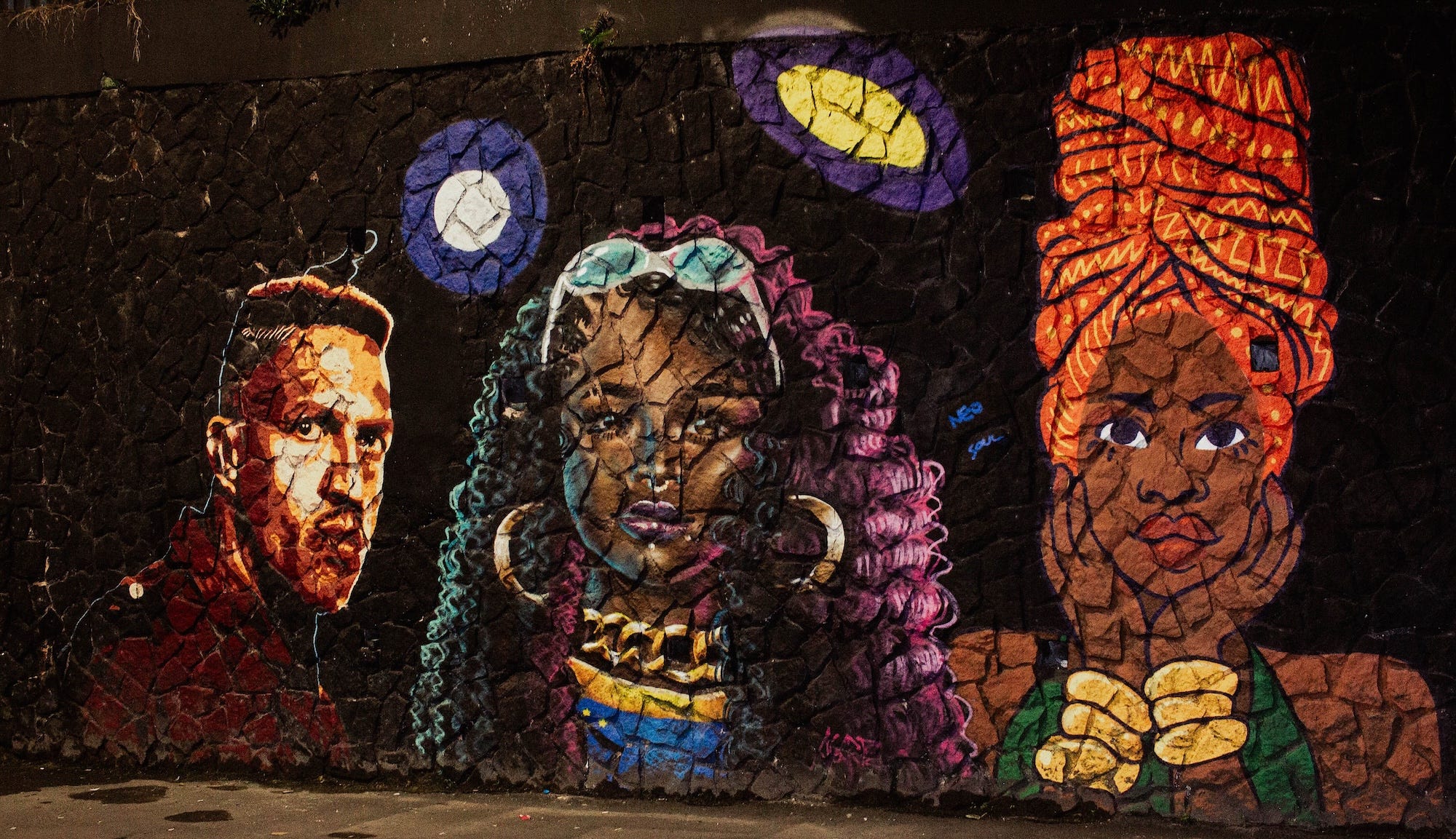
Under the highway bridge
The fluid combination of defined step sequences and easy-to-follow choreographed figures along with a sense of casual spontaneity and great individuality gives everyone a sense of freedom and strength in a daily life that is marked by poverty and hopelessness, racism, and violence.
Read more as a lover free of charge
… or as a lover read for free
•